 SafeCore Safety Academy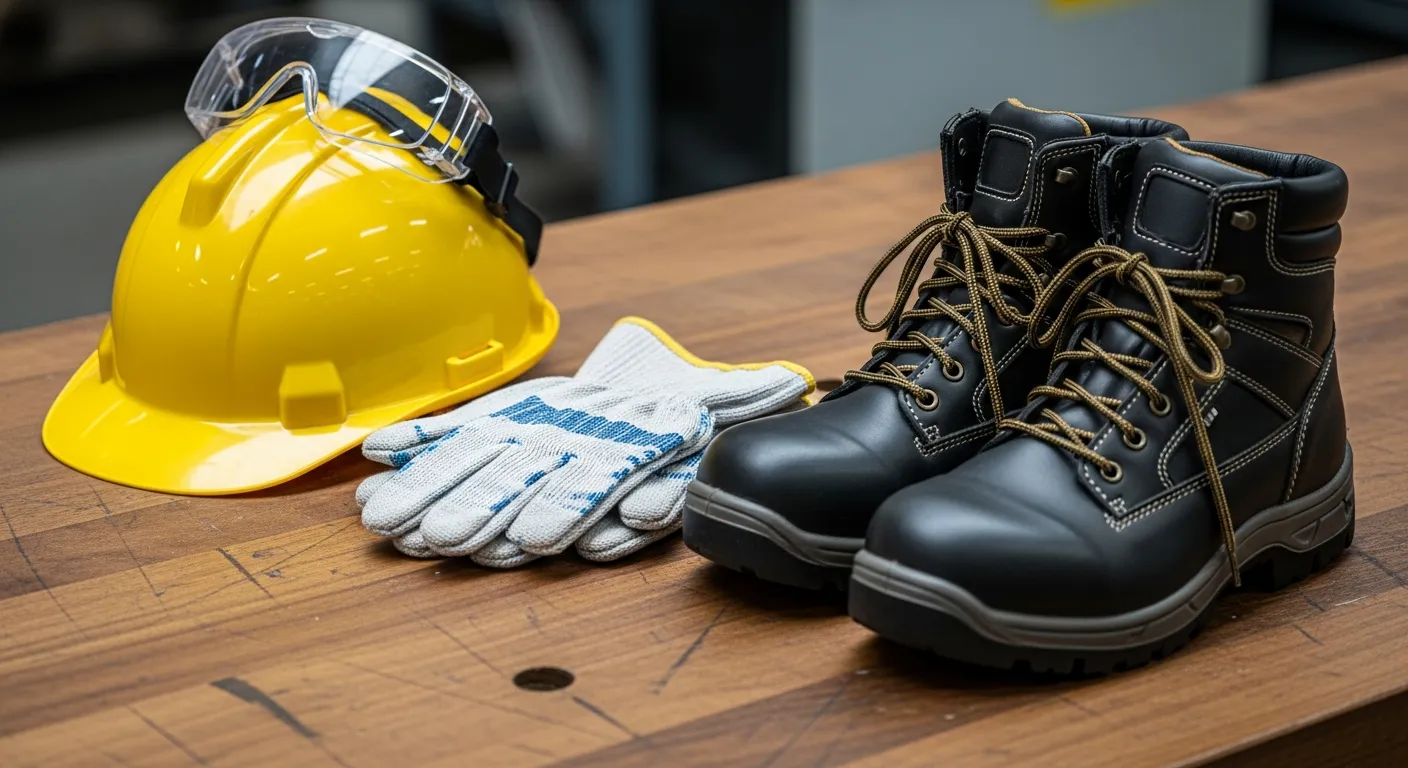
Complete Guide to Personal Protective Equipment (PPE)
What is Personal Protective Equipment?
Personal Protective Equipment (PPE) refers to protective clothing, helmets, goggles, gloves, and other garments or equipment designed to protect the wearer's body from injury or infection. PPE is the last line of defense in the hierarchy of controls, used when engineering and administrative controls are not sufficient to reduce risks to acceptable levels.
Types of PPE
Head Protection
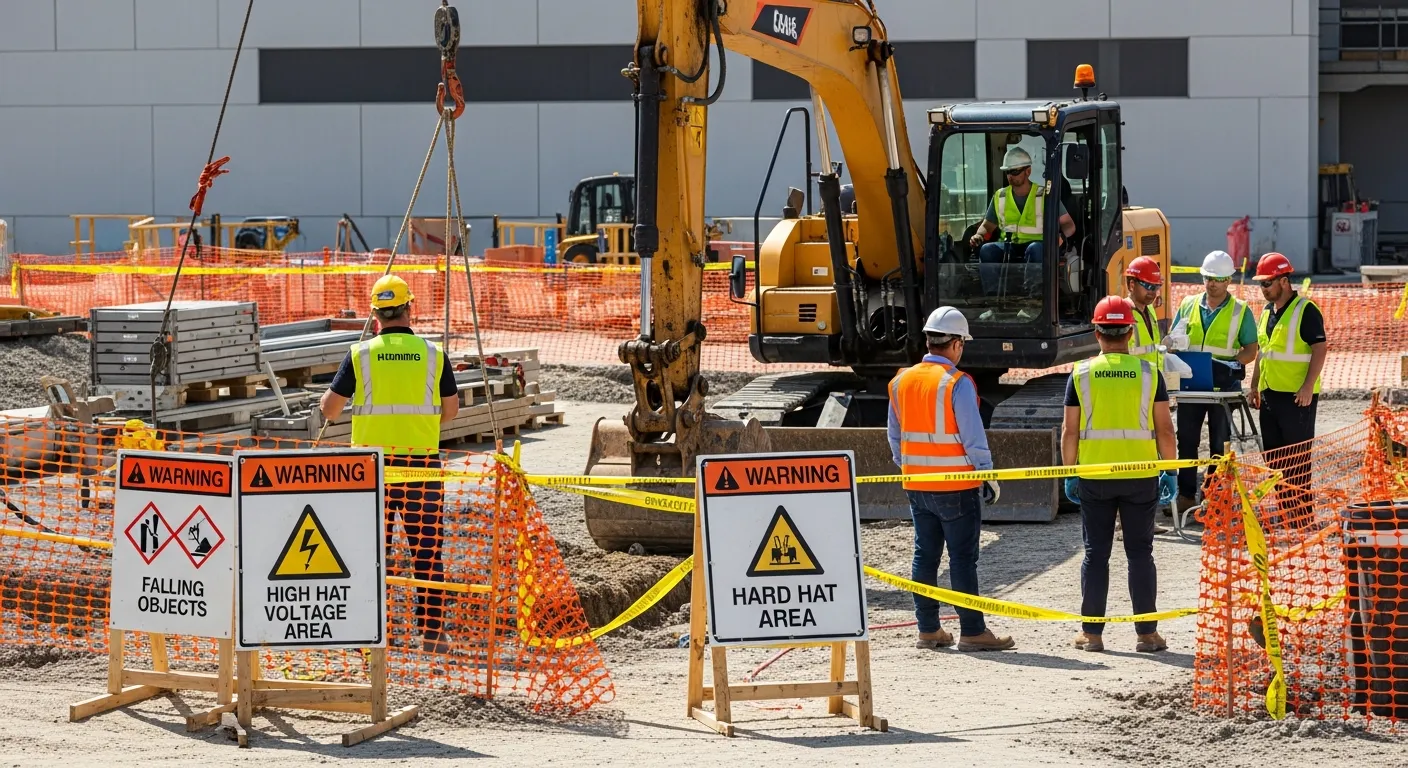
Hard hats protect against falling objects, bumps, and electrical hazards. Choose the right class of hard hat based on your workplace hazards: Class E (Electrical) for electrical workers, Class G (General) for construction, and Class C (Conductive) for environments without electrical hazards.
Eye and Face Protection
Safety glasses, goggles, and face shields protect against flying particles, chemical splashes, and harmful radiation. Select the appropriate protection based on the specific hazards in your work area.
Hearing Protection
Earplugs and earmuffs protect against noise-induced hearing loss. Use them in areas where noise levels exceed 85 decibels. Choose the right Noise Reduction Rating (NRR) for your environment.
Respiratory Protection
Respirators protect against inhaling harmful dust, fumes, vapors, and gases. From simple dust masks to Self-Contained Breathing Apparatus (SCBA), the type of respiratory protection depends on the airborne hazards present.
Hand Protection
Different gloves protect against different hazards: chemical-resistant gloves for handling chemicals, cut-resistant gloves for sharp objects, insulated gloves for electrical work, and heat-resistant gloves for hot materials.
Foot Protection
Steel-toed boots protect against falling objects, punctures, and electrical hazards. Safety shoes with slip-resistant soles prevent falls on slippery surfaces.
Body Protection
Coveralls, vests, aprons, and full-body suits protect against chemical splashes, heat, radiation, and biological hazards. High-visibility vests ensure workers are seen in low-light conditions or near moving equipment.
PPE Best Practices
- Always inspect PPE before use for damage or wear
- Ensure proper fit — ill-fitting PPE can be as dangerous as no PPE
- Clean and maintain PPE according to manufacturer guidelines
- Replace damaged or worn PPE immediately
- Store PPE properly when not in use
- Complete PPE training before using specialized equipment
Conclusion
PPE is essential for worker safety, but it must be used correctly to be effective. Understanding the right type of PPE for each hazard and maintaining it properly can mean the difference between a safe workday and a serious injury. Take SafeCore Safety Academy's PPE certification course to master the selection, use, and maintenance of protective equipment.
Related Articles

Categories
Recent Posts