 SafeCore Safety Academy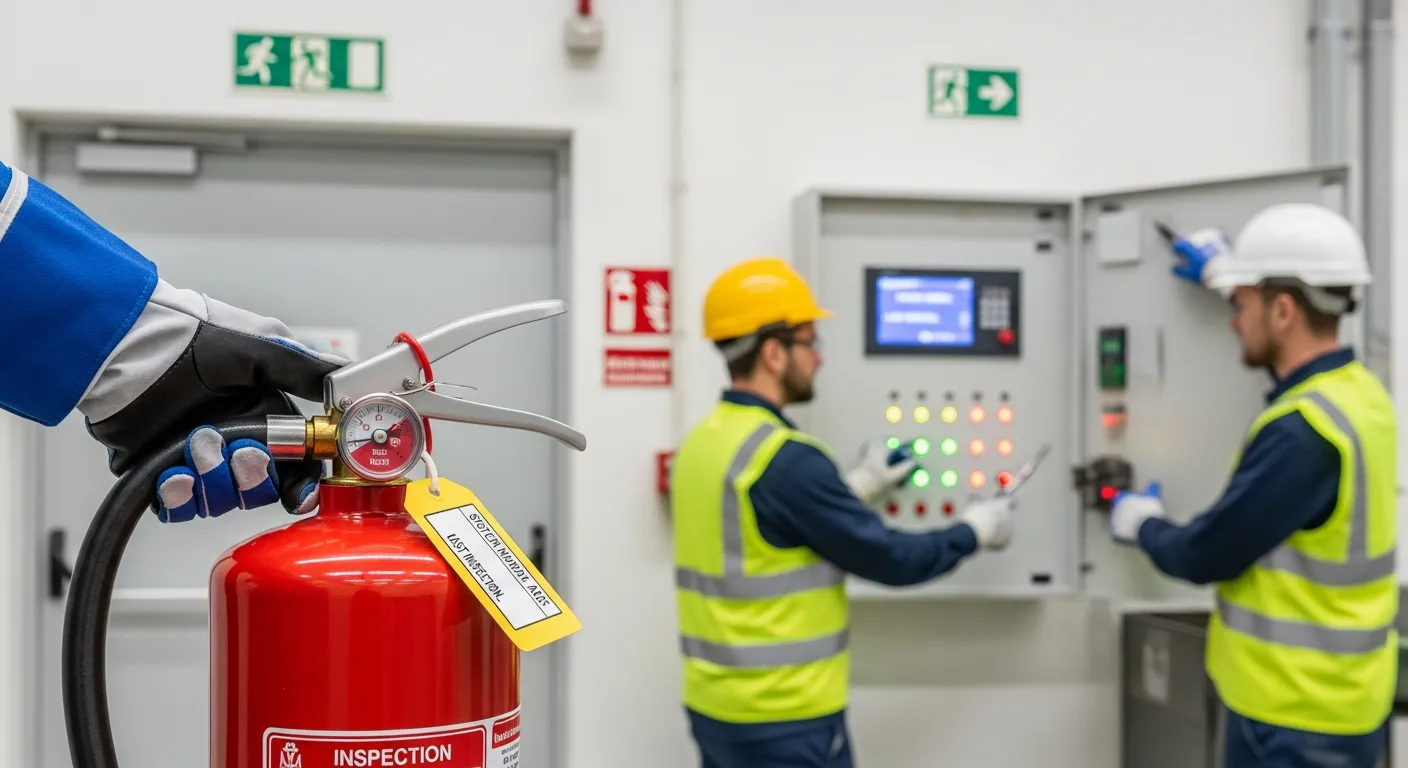
Understanding Fire Safety: Prevention and Emergency Response
The Importance of Fire Safety in the Workplace
Fire is one of the most destructive hazards in any workplace. According to the National Fire Protection Association (NFPA), thousands of workplace fires occur every year, resulting in injuries, fatalities, and billions of dollars in property damage. Understanding fire safety is critical for every worker and organization.
Fire Prevention Strategies
Identify Fire Hazards
The first step in fire prevention is identifying potential hazards. These include faulty electrical wiring, improper storage of flammable materials, overloaded power outlets, and blocked fire exits. Conduct regular fire risk assessments to identify and eliminate these hazards.
Proper Storage of Flammable Materials
Store flammable liquids, gases, and chemicals in approved containers and designated storage areas. Keep them away from ignition sources and ensure proper ventilation in storage areas.
Electrical Safety
Faulty electrical equipment is a leading cause of workplace fires. Inspect electrical cords regularly, avoid overloading circuits, and report any damaged electrical equipment immediately.
Fire Safety Equipment
Fire Extinguishers
Know the location of fire extinguishers in your workplace and understand the different types (A, B, C, D, K) and their uses. Remember the PASS technique: Pull the pin, Aim at the base of the fire, Squeeze the handle, and Sweep from side to side.
Fire Alarms and Detection Systems
Ensure all fire alarms and smoke detectors are functioning properly. Test them regularly and replace batteries as needed. Never disable or tamper with fire safety systems.
Emergency Response
Evacuation Procedures
Every workplace should have a well-documented evacuation plan. Conduct fire drills at least twice a year. Know your primary and secondary evacuation routes, and designate assembly points outside the building.
What to Do When a Fire Breaks Out
- Sound the fire alarm immediately
- Call emergency services (fire department)
- If the fire is small, attempt to extinguish it using a fire extinguisher
- If the fire cannot be controlled, evacuate immediately
- Close doors behind you to slow the spread of fire
- Never use elevators during a fire — use stairs only
- Proceed to the designated assembly point and account for all personnel
Conclusion
Fire safety is a shared responsibility. By understanding prevention strategies, maintaining fire safety equipment, and knowing emergency procedures, you can help protect your workplace and your colleagues. Enroll in SafeCore Safety Academy's Fire Safety course for comprehensive, hands-on training.
Related Articles


Categories
Recent Posts