 SafeCore Safety Academy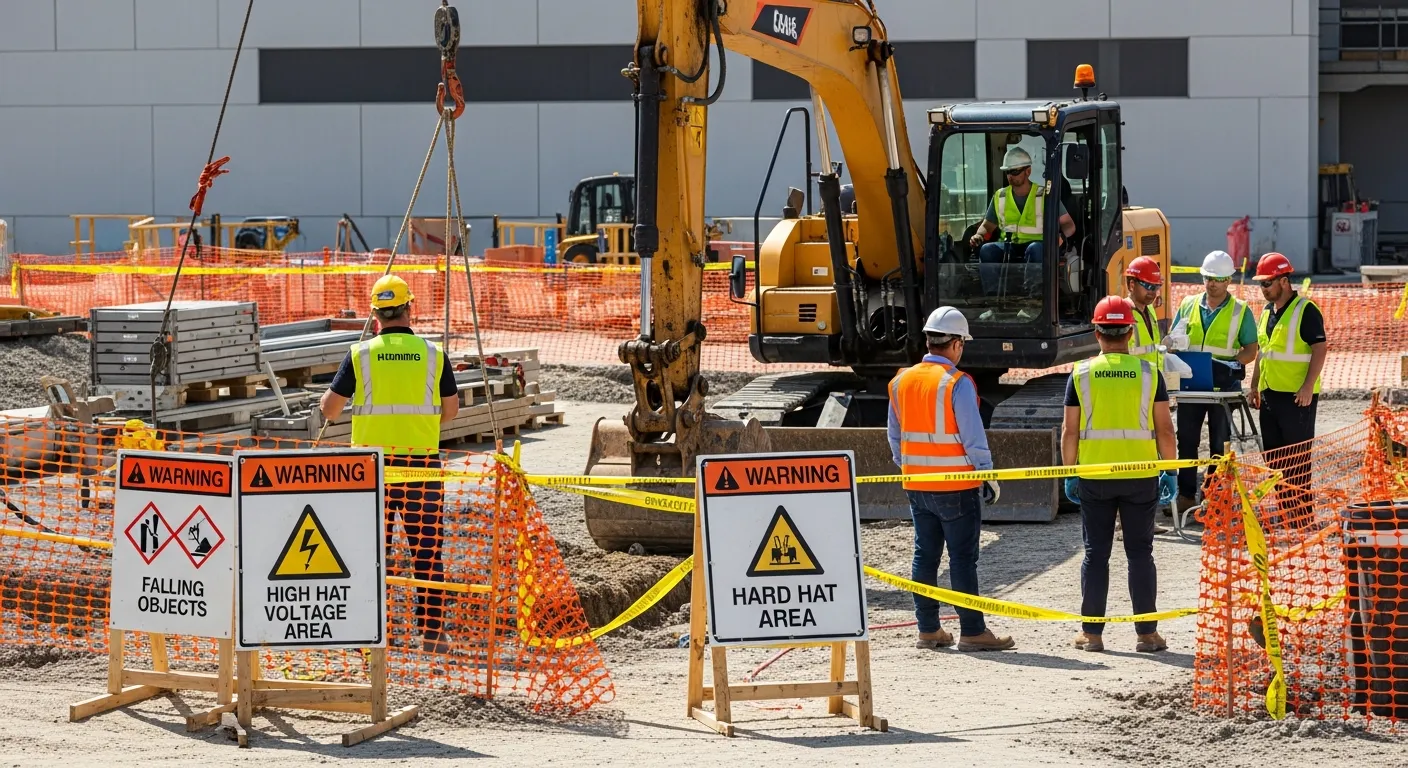
How to Identify and Control Workplace Hazards
Introduction to Hazard Identification
Hazard identification is the process of recognizing conditions or practices that could potentially cause harm to people, property, or the environment. It is the foundation of any effective safety management system and a critical skill for safety professionals and workers alike.
Types of Workplace Hazards
Physical Hazards
Physical hazards include noise, vibration, extreme temperatures, radiation, and poor ergonomics. These hazards can cause hearing loss, musculoskeletal disorders, heat stress, and other health issues.
Chemical Hazards
Chemicals in the workplace can pose risks through inhalation, skin contact, or ingestion. Common chemical hazards include solvents, acids, cleaning agents, paints, and gases. Always refer to Safety Data Sheets (SDS) for handling instructions.
Biological Hazards
Biological hazards include bacteria, viruses, fungi, and other organisms that can cause infections and allergic reactions. Healthcare workers, laboratory personnel, and agricultural workers are particularly at risk.
Ergonomic Hazards
Poor workstation design, repetitive motions, improper lifting, and awkward postures lead to musculoskeletal disorders. Ergonomic assessments help identify and correct these hazards.
Psychosocial Hazards
Workplace stress, bullying, harassment, and excessive workloads affect mental health and can lead to decreased performance and increased accident rates.
Hazard Identification Methods
Workplace Inspections
Regular walkthrough inspections help identify hazards before they cause harm. Use checklists to ensure thorough coverage of all work areas.
Job Safety Analysis (JSA)
JSA breaks down each job into steps and identifies the hazards associated with each step, along with preventive measures.
Incident Investigation
Analyzing past incidents and near-misses reveals patterns and hidden hazards that may not be obvious during routine inspections.
The Hierarchy of Controls
Once hazards are identified, apply controls in this order of effectiveness:
- Elimination — Remove the hazard completely
- Substitution — Replace with something less hazardous
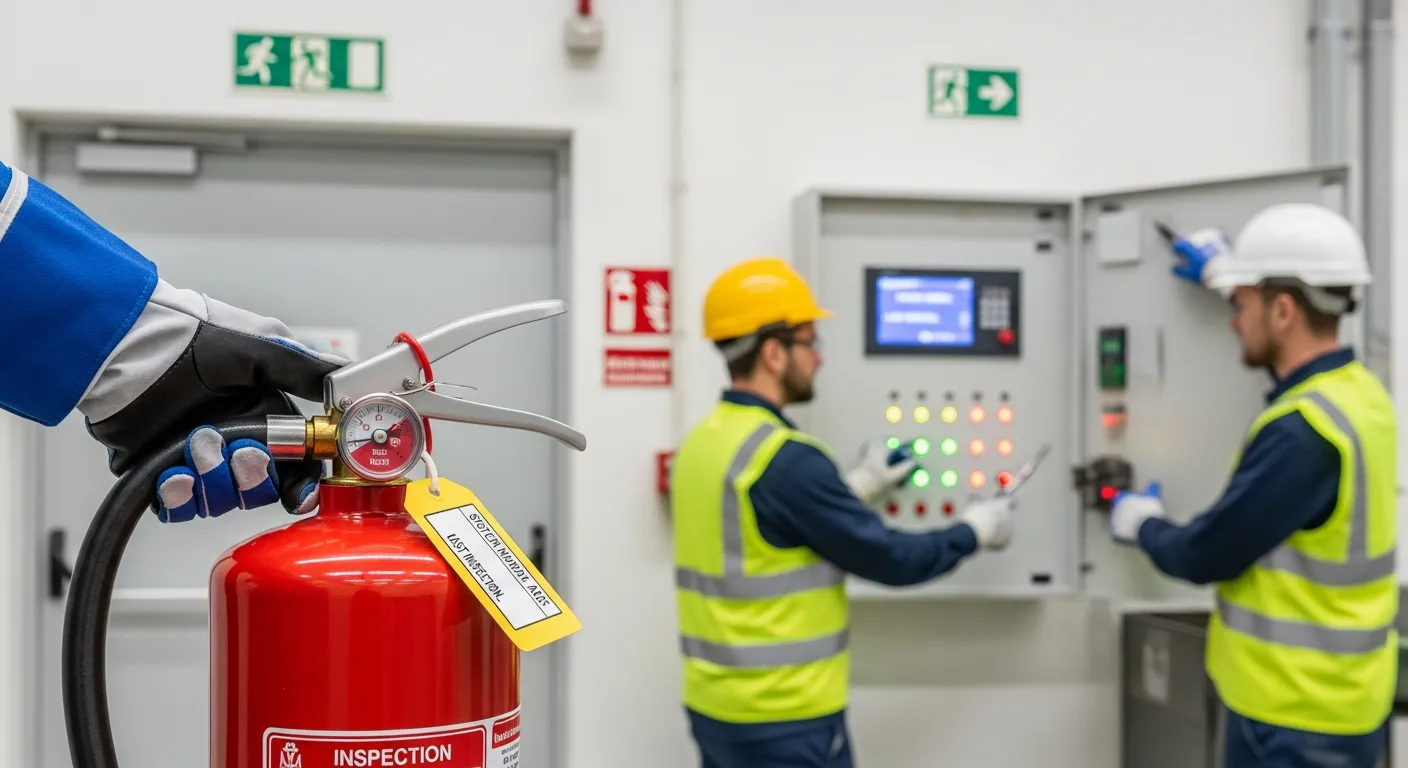
- Engineering Controls — Isolate people from the hazard
- Administrative Controls — Change the way people work
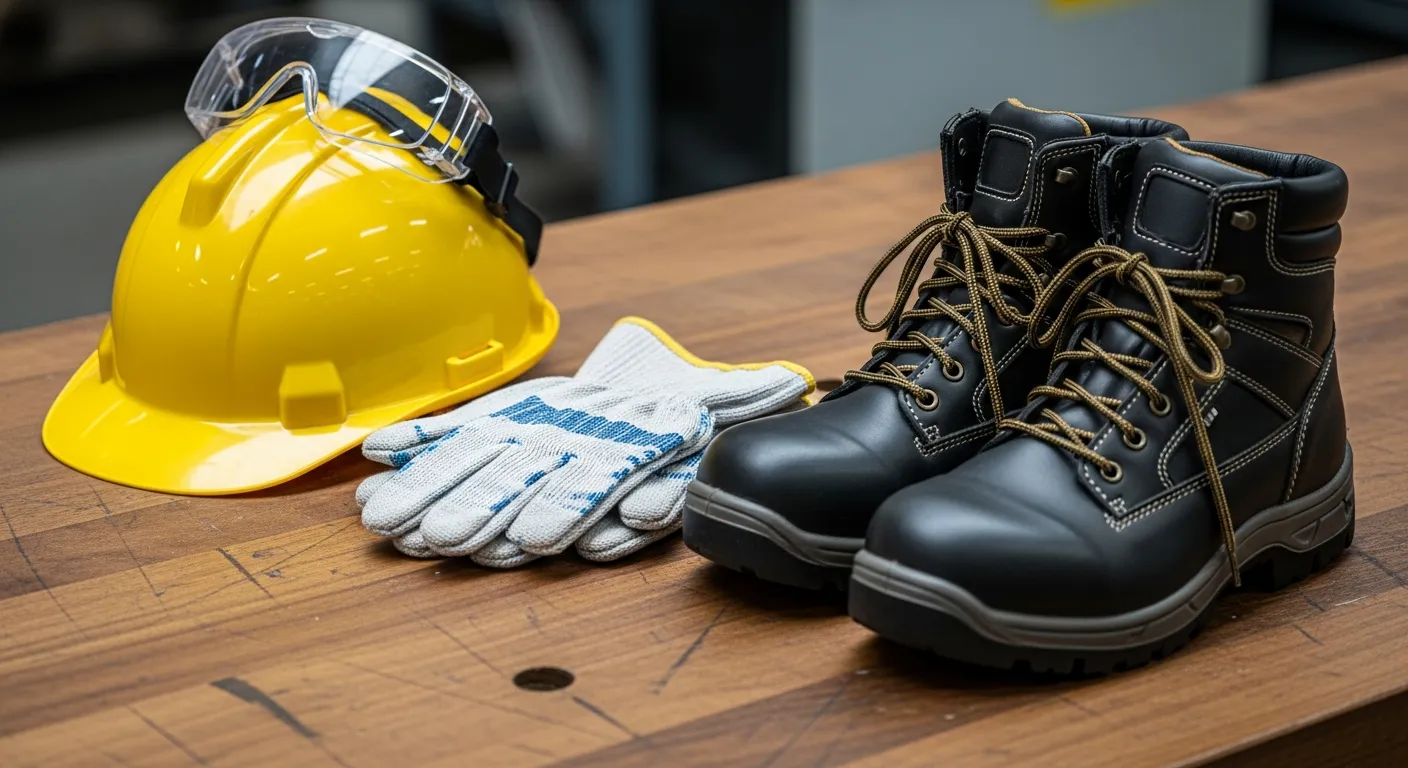
- PPE — Protect workers with personal equipment
Conclusion
Effective hazard identification and control is an ongoing process, not a one-time event. By systematically identifying hazards and applying the hierarchy of controls, organizations can create safer workplaces and prevent injuries. Learn more in SafeCore Safety Academy's Hazard Identification and Risk Assessment course.
Related Articles

First Aid Essentials: What Every Worker Should Know
Mar 10, 2026Categories
Recent Posts